Thinking about buying a brand-new home in Entiat? You are not alone. For many buyers, new construction feels like the cleanest path to a low-maintenance home, modern finishes, and a more predictable move. In Entiat, that opportunity is real, but it comes with a local twist: instead of one giant master-planned development, you are more likely to find a handful of smaller subdivisions, planned developments, and nearby acreage options. This guide will help you understand what new construction and planned communities in Entiat really look like, what questions to ask, and how to compare them with older in-town or rural properties. Let’s dive in.
What new construction looks like in Entiat
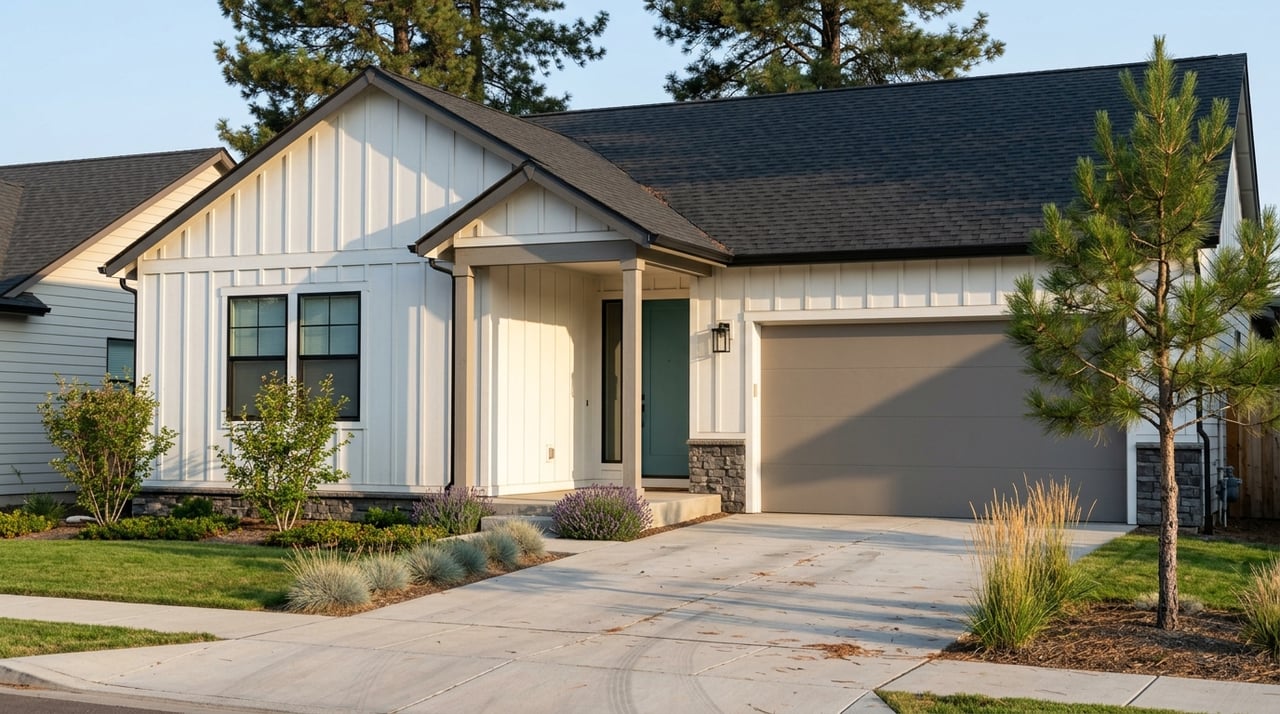
Entiat is not a one-style, one-neighborhood new-build market. Based on current listings and local planning documents, new construction is concentrated in a few named areas such as Stonebasin, Allison Place, and Saska Hills, rather than a single large master-planned district.
That matters because your choices may feel more varied from one project to the next. One neighborhood may offer compact lots with an HOA, while another may lean larger, have CCRs, or sit closer to view-oriented terrain. In other words, you should expect neighborhood-level differences rather than a uniform product across town.
The city’s planning framework also supports future housing growth. Entiat’s comprehensive plan calls for more housing diversity, including options for first-time buyers, affordable housing, manufactured homes, and condominiums. It also outlines residential densities up to 4 units per acre in low-density areas, up to 10 in medium-density areas, and up to 15 in high-density areas.
Planned communities can offer more variety
If you hear terms like planned development or residential planned development, that flexibility is built into local code. In Entiat, a planned residential development can include detached and attached single-family homes, modular homes, duplexes, townhomes, condominiums, manufactured homes, open space, and resident recreation facilities.
That is important if you are trying to match a home to your lifestyle. You may be looking for a simpler lock-and-leave setup, a traditional detached home, or something with shared amenities and common areas. Entiat’s code allows room for that kind of variety, even if each individual project is smaller in scale.
A city filing also describes a proposed Saska III residential planned development of about 190 lots on roughly 81.74 acres. That does not mean every planned community in Entiat will look the same, but it does show that larger-scale residential growth is part of the conversation.
Lot sizes vary more than you might expect
One of the biggest surprises for buyers is how different lot sizes can be depending on where you look. In the Residential Low district, a single-family lot must be at least 8,500 square feet. In the Residential Medium district, the minimum single-family lot size is 6,750 square feet.
That helps explain why many in-town new builds feel more compact. For example, current listing examples show homes on lots around 6,969.6 square feet, around 0.29 acres, or around 0.30 acres. These homes often prioritize newer finishes, attached garages, and easier upkeep.
Move outside the city-grid pattern, and the picture changes quickly. Current examples along Entiat River Road and Crum Canyon include parcels of 4 acres, 7.49 acres, 9.62 acres, and 19.88 acres. Those properties can offer more space, but they may also come with added responsibilities like private well and septic systems.
New subdivisions versus rural acreage
For many buyers, the real decision is not just new versus old. It is often subdivision convenience versus acreage independence.
A newer subdivision home may give you city-close living, public utilities, a more standardized neighborhood layout, and lower day-to-day maintenance. Some current examples also show attached garages and modest HOA structures, which can appeal if you want a more streamlined ownership experience.
A rural or canyon-edge property may offer more elbow room and a different setting, but it usually requires more self-management. You may need to think about water, septic, access, and land care in a way that is less common in a newer in-town community.
Older in-town homes sit somewhere in the middle. They may trade brand-new finishes for a more established setting and potentially less standardized lot shapes. Depending on your goals, that can be a feature rather than a drawback.
HOA and CCR details matter
Not every planned community in Entiat works the same way. That is why it is smart to review the governing documents instead of assuming one neighborhood’s rules and costs will match another’s.
Current listing examples show how different fee structures can be. Stonebasin shows a $15 monthly HOA. An Allison Place listing shows a $100 annual HOA. Saska Hills references CCRs and city-served utilities.
Those numbers alone do not tell the full story. You will want to know what the HOA or CCR documents actually cover, how common areas are maintained, what assessments apply, and whether there are reserve funds for future expenses.
Washington law adds useful structure here. In common-interest communities covered by WUCIOA, budgets must show projected income and expenses, assessments per unit, reserve contributions, and whether the budget aligns with the reserve study. Reserve studies must also spell out reserve components, useful life, replacement costs, reserve balances, and funding levels.
If you are buying a resale unit in a covered community, the association must provide a resale certificate within 10 days of request, and the law caps a reasonable preparation fee at $275. That certificate can help you understand assessments, budgets, and other practical ownership details before you close.
Utility questions should come early
One of the most important questions for any Entiat purchase is simple: Will you be on city water and sewer, or private systems?
Current city-lot listings in planned neighborhoods commonly show public utilities. That can make budgeting and maintenance feel more straightforward for many buyers, especially if you want a more turnkey experience.
By contrast, rural listings often rely on private well and septic. That does not make them a poor choice, but it does mean you should evaluate those systems as part of your overall due diligence. The right answer depends on how much land you want and how hands-on you want ownership to be.
Build timelines deserve a close look
With new construction, timelines matter just as much as finishes. Entiat’s permit application asks for both a starting date and an anticipated completion date, which makes timing part of the process from the beginning.
You should ask for a written completion target and clarity on what could affect that date. If you are buying within a planned subdivision, it is also worth confirming where the project stands in its approval process.
That is especially relevant because Entiat’s planned-unit-lot code says preliminary approval expires if final approval is not obtained within five years. For you as a buyer, that means project status is not just background information. It can affect expectations, timing, and confidence in delivery.
New homes still need inspections
A brand-new home is still a home built by people, schedules, and subcontractors. That is why a new build should still get a professional inspection before closing.
Freddie Mac advises buyers of new construction to know the completion date, read the fine print on warranties, and order a home inspection before closing. It also recommends being present for the inspection, which can help you better understand how the home was finished and what questions to raise.
In Washington, there is also a formal notice-and-cure process for construction defects. Before filing suit over defective construction, a homeowner must give the builder written notice and an opportunity to inspect or remedy the issue, and the law describes a 45-day notice requirement.
Builder and project due diligence in Entiat
Local process matters in a smaller market. Entiat’s permit materials state that contractors and subcontractors must be registered and hold a current Entiat city business license.
That makes builder qualification part of the conversation early on. You can ask who the builder is, whether key trades are lined up, what stage permitting is in, and how completion timing is being tracked.
In more formal planned developments, the city may require substantial documentation during the application process. That can include owners’ association bylaws, deeds, covenants, common-area maintenance plans, utility layouts, exterior material samples, and details about ownership, management, sequencing, and timing.
For buyers, that level of structure can be helpful. It means planned communities often come with a documented framework, but it also means you should read that framework carefully before you commit.
How Entiat’s market affects your search
Entiat is a relatively small market, so inventory can feel thin. Redfin reported a median sale price of $543,675 for the three months ending May 2026, with homes selling in about 12 days, and only 2 homes sold in May compared with 5 a year earlier.
Zillow’s home value index placed the average Entiat home value at $471,050 as of May 31, 2026. These figures are not directly comparable because one reflects closed-sale data and the other reflects a home-value index, but together they support the same broad takeaway: this is a small market where each listing can matter.
For you, that means preparation helps. If you are targeting new construction in Entiat, it is smart to define your must-haves early, understand your preferred lot type, and be ready to compare subdivision product against older in-town homes or nearby acreage.
What buyers should focus on first
If you want to cut through the noise, start with the items that shape your day-to-day ownership experience most:
- Lot size and layout
- Public utilities versus well and septic
- HOA or CCR obligations
- Builder timeline and completion target
- Inspection and warranty details
- Neighborhood setting versus acreage privacy
These questions can quickly tell you whether a home fits your goals, not just your price range.
If you are exploring new construction or planned communities in Entiat and want help comparing subdivisions, lots, or acreage options across the broader Chelan-area market, connect with Lukas Sztab for responsive, local guidance.
FAQs
What do new construction neighborhoods in Entiat usually look like?
- New construction in Entiat is generally spread across smaller named subdivisions and planned developments, such as Stonebasin, Allison Place, and Saska Hills, rather than one large master-planned community.
What lot sizes can you expect in Entiat new construction?
- Current examples suggest many in-town new builds sit on compact lots around 6,969 square feet or roughly 0.29 to 0.30 acres, while rural Entiat properties can range from 4 acres to nearly 20 acres.
What utility systems should you check in Entiat planned communities?
- City-lot listings in planned neighborhoods often show public water and sewer, while rural listings commonly rely on private well and septic, so you should confirm utility service early.
What HOA documents matter when buying in an Entiat planned community?
- You should review the declaration or CCRs, budget, reserve information, and any resale certificate or public offering materials that apply so you understand assessments, maintenance responsibilities, and financial planning.
Do you need a home inspection on a new build in Entiat?
- Yes. New construction should still be professionally inspected before closing, and buyers should also review warranty terms and completion details carefully.
How long does new construction take in Entiat?
- Timing varies by builder and project stage, so you should ask for a written completion target and confirm where the property stands in permitting and project approvals.
How is buying in a planned community different from buying rural acreage near Entiat?
- A planned community often offers a more structured neighborhood setting, public utilities, and possible HOA oversight, while rural acreage may offer more land but often comes with added responsibility for systems and land management.