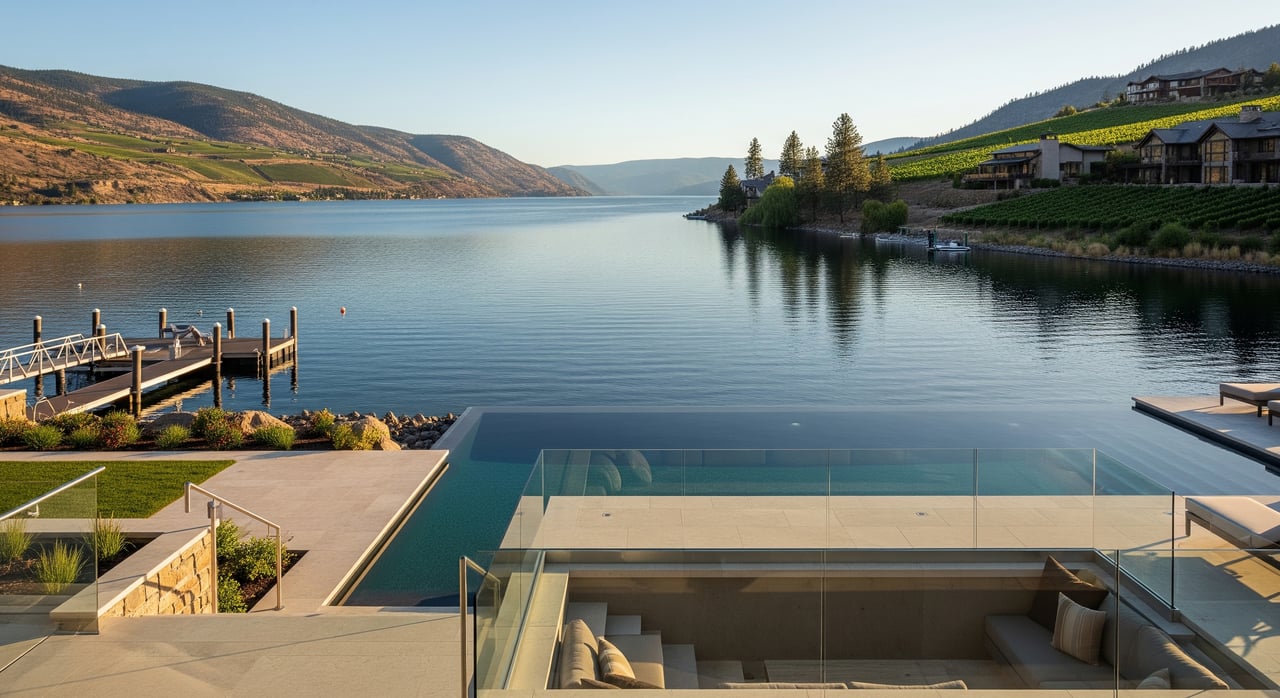
Picture your mornings in Chelan. Do you want to step onto a dock and launch the boat in minutes, or sip coffee while you take in a sweeping lake-and-mountain panorama from a quiet perch above the water? Both options are incredible, and both come with real tradeoffs. If you’re weighing lakefront versus view homes in the Lake Chelan Valley, it pays to get clear on lifestyle fit, rules and permits, long-term costs, and how your choice affects your offer strategy.
In this guide, you’ll learn how the two property types differ in daily use, privacy, maintenance, inspections, insurance, and resale. You’ll also get a step-by-step due diligence checklist and a simple decision framework to help you move forward with confidence. Let’s dive in.
Lake Chelan options at a glance
What “lakefront” really means
- True lakefront or low-bank parcels sit on the shoreline with gentle access to the water.
- You typically get direct swim access and the ability to moor a boat, subject to existing rights and permits.
- Expect higher demand because these lots are limited and offer immediate lake use.
What “view” or high-bank means
- High-bank or elevated parcels sit above the lake on a bluff or steep slope.
- You gain big views and often more privacy, with fewer day-to-day shoreline chores.
- Water access may be limited, steep, or provided by stairs, an easement, or a community facility.
Mid-bank and terraced properties
- These blend features of both: some access with stairs or retaining structures.
- Maintenance and permitting needs can be higher than you expect, so plan inspections early.
Lifestyle tradeoffs you’ll feel day to day
Water access and recreation
- Lakefront makes frequent boating, swimming, and guest moorage easy.
- View homes are better if you want the panorama with fewer shoreline responsibilities.
Privacy and summer activity
- Lakefront brings you closer to boat traffic and seasonal activity. It can be louder in peak months.
- High-bank homes are generally quieter and set back from public lake use.
Mobility and convenience
- Stairs, steep drives, or seasonal access can make some elevated properties challenging for older adults or frequent gear hauling.
- Some lakefront lots sit on narrow or shared roads. Some elevated neighborhoods have simpler parking and year-round road maintenance.
Seasonal dynamics
- Peak demand hits late spring through summer. Short-term rental activity and tourism ramp up then.
- Off-season is quieter and can be a strategic time to shop and evaluate winter conditions.
Maintenance and long-term cost considerations
Shoreline structures and repairs
- Docks, boat lifts, bulkheads, riprap, and retaining walls need regular inspection and occasional repair.
- Any in-water work or shoreline modification typically requires permits and may be seasonally restricted.
Erosion and slope stability
- High-bank parcels often need a geotechnical look at slope stability, especially if you see signs of erosion or plan improvements.
- Engineering and stabilization can add cost and time, and may trigger critical-area rules.
Septic systems and wells
- Many lake-oriented properties rely on onsite septic and private wells.
- You should confirm septic capacity for your intended use and verify well potability and seasonal yield.
Vegetation and view maintenance
- Maintaining a view may require careful trimming or clearing within setback rules.
- Work near the shoreline and on steep slopes can be regulated, so check before you cut.
Wildfire and insurance
- Upland areas have wildfire risk. Creating defensible space and carrying adequate insurance are smart steps.
- Lakefront does not automatically fall in a FEMA floodplain, but you should still evaluate flood and erosion exposure.
- Liability can be higher for lakefront uses like docks and swimming, which may affect coverage and endorsements.
Rules and permits that affect value
Shoreline Management framework
- Washington’s Shoreline Management Act is implemented locally by Chelan County and the City of Chelan through Shoreline Master Programs.
- Bulkheads, riprap, docks, boat ramps, and near-water work often require shoreline review and permits.
Hydraulic Project Approvals (HPAs)
- Projects that affect fish habitat, including docks and bulkheads, typically need an HPA from the Washington Department of Fish and Wildlife.
- Federal and state authorizations can apply to in-water work, depending on scope.
Local land use and building rules
- Zoning, setbacks, building permits, and critical-area rules are administered locally.
- Steep-slope stabilization or expansion may require a geotechnical report and mitigation.
Short-term rental considerations
- The City of Chelan and Chelan County have transient occupancy taxes and may have rules or licensing for short-term rentals.
- Homeowner association covenants can limit rental use even when local rules allow it.
Your due diligence checklist
Use this list to protect your interests before you write an offer or during contingencies.
Title, access, and survey
- Verify legal road access and any seasonal easements or shared driveways.
- Confirm dock ownership and moorage rights. A dock can be separately titled, leased, or shared.
- Order a boundary survey that shows the ordinary high water mark, setbacks, and any encroachments.
Structural and technical inspections
- Full home inspection for structure, roof, plumbing, electrical, and HVAC.
- Dock and shoreline inspection by a marine contractor to assess pilings, hardware, lifts, and any bulkhead or riprap.
- Geotechnical review for high-bank sites or any property with retaining walls or visible erosion.
- Septic pump-and-inspect with verification of location, capacity, and distance from the shoreline.
- Well inspection and water quality testing to confirm potability and seasonal yield.
- Environmental scan for shoreline erosion, invasive weeds, algal blooms, or regulated habitats.
Permits and compliance
- Confirm that existing shoreline structures were properly permitted. Unpermitted work can trigger removal or remediation.
- Map out permits you would need for new work, including shoreline, building, HPA, and any critical-area approvals.
- Review any local short-term rental rules and taxes if you plan rental use.
Red flags to investigate
- Shared docks or easements with unclear maintenance or cost-sharing terms.
- Encroachments into shoreline buffers or unresolved code violations.
- Records of shoreline armoring or stabilization without permits.
Market dynamics and offer strategy
Pricing and comps
- True lakefront carries a premium because direct access is scarce. Expect stronger list-to-sale ratios in peak season.
- View premiums are real but more subjective. Appraisers weigh the quality and permanence of the view.
- Comps should adjust for dock ownership, permitted improvements, access quality, and seasonal appeal.
Financing and appraisal
- Second-home loans can require different down payments, reserves, and underwriting than primary residences.
- If you plan rental use, some lenders want documentation of income potential and extra reserves.
- Appraisals must consider shoreline improvements and the subjective value of views. Unique docks or shore work can complicate valuation.
Offer tactics that work in Chelan
- Build a thorough inspection window that includes marine, geotechnical, septic, and well specialists.
- Add a permit verification contingency for shoreline structures and any planned improvements.
- In peak months, you may need escalation clauses or stronger earnest money, but balance that with due diligence.
- Use holdbacks or credits when a shoreline repair is known but hard to price before closing.
- Consider shopping off-season to reduce competition and to see properties under winter conditions, including lake levels and road access.
A simple decision framework
Start with these questions:
- How often will you boat or swim? Daily users usually value low-bank lakefront.
- How important are quiet and privacy in peak season? View homes tend to be calmer.
- Are stairs and steep access acceptable for all household members and guests?
- How much maintenance and permitting complexity are you willing to manage?
- Is rental flexibility a key part of your plan? Confirm rules early.
- How much do resale and liquidity matter in your long-term plan?
Example scenarios
Frequent boater and host
- Pick: Low-bank lakefront.
- Why: Immediate moorage, easy loading and daily lake use. Accepts more maintenance and summer activity.
Privacy and panorama seeker
- Pick: High-bank or elevated view.
- Why: Big vistas and quieter setting with reduced shoreline chores.
Rental-minded part-time owner
- Pick: Depends.
- Why: Lakefront can attract short-term renters but may add insurance and septic demands. View homes can appeal year-round to guests who value scenery. Verify rules and capacity either way.
Year-round remote worker
- Pick: Either, with access first.
- Why: Prioritize reliable roads, winter maintenance, utilities, and septic/well capacity. Choose based on your daily routine.
Practical next steps for Chelan buyers
- Connect with a local agent who regularly handles Lake Chelan waterfront and view properties.
- Ask a title company to pull easements, plats, and CC&Rs. Order a boundary survey with the ordinary high water mark if you are near the lake.
- Line up specialists: home inspector, marine contractor, septic and well pros, and a geotechnical engineer for any steep slopes.
- Check permit history with local planning and building departments. Do not rely on verbal assurances.
- Talk to lenders and insurance brokers early about second-home financing, reserves, and coverage for docks and shoreline exposure.
- Time your search with intention. Off-season can offer leverage and better visibility into winter dynamics.
Ready to compare real properties side by side and build a smart offer plan? Reach out to local expert Lukas Sztab for a customized shortlist and a clear step-by-step path to your ideal Chelan home.
FAQs
What is the biggest difference between Chelan lakefront and view homes?
- Lakefront delivers direct water access and moorage potential, while view homes trade that access for panoramas, privacy, and often lower shoreline maintenance.
How do permits affect docks and shoreline work on Lake Chelan?
- Most in-water or near-water projects require shoreline review and a Hydraulic Project Approval, with timelines and conditions that add cost and planning.
Are lakefront homes in Chelan always in a flood zone?
- No. Lakefront does not automatically mean a FEMA floodplain, but you should still evaluate flood, erosion, and liability exposure with your insurer and inspector.
What inspections are essential for high-bank or bluff properties in Chelan?
- In addition to a standard home inspection, order a geotechnical evaluation for slope stability and inspect any retaining walls or shoreline stabilization.
Do Chelan short-term rental rules apply to both lakefront and view homes?
- Yes. City and county rules, taxes, and HOA covenants may affect any property. Verify current requirements before you buy.
How does seasonality affect my Chelan offer strategy?
- Spring and summer bring more competition and faster paces. Off-season can mean more negotiation room and a chance to inspect winter conditions.